Transform Your Outdoor Space: Creative Fence Styles to Suit Every Style
Revitalizing an exterior setting requires the ideal fencing choice. Diverse selections are accessible for any style, whether one prefers clean contemporary designs or the charm of natural timber. Expressive color-driven designs can enhance individual style. while tall, textured fences ensure privacy. For those seeking a organic element, plant-based barriers offer a balance with nature. Every choice offers distinct advantages, encouraging a closer look at how to select the best style for all types of outdoor areas.
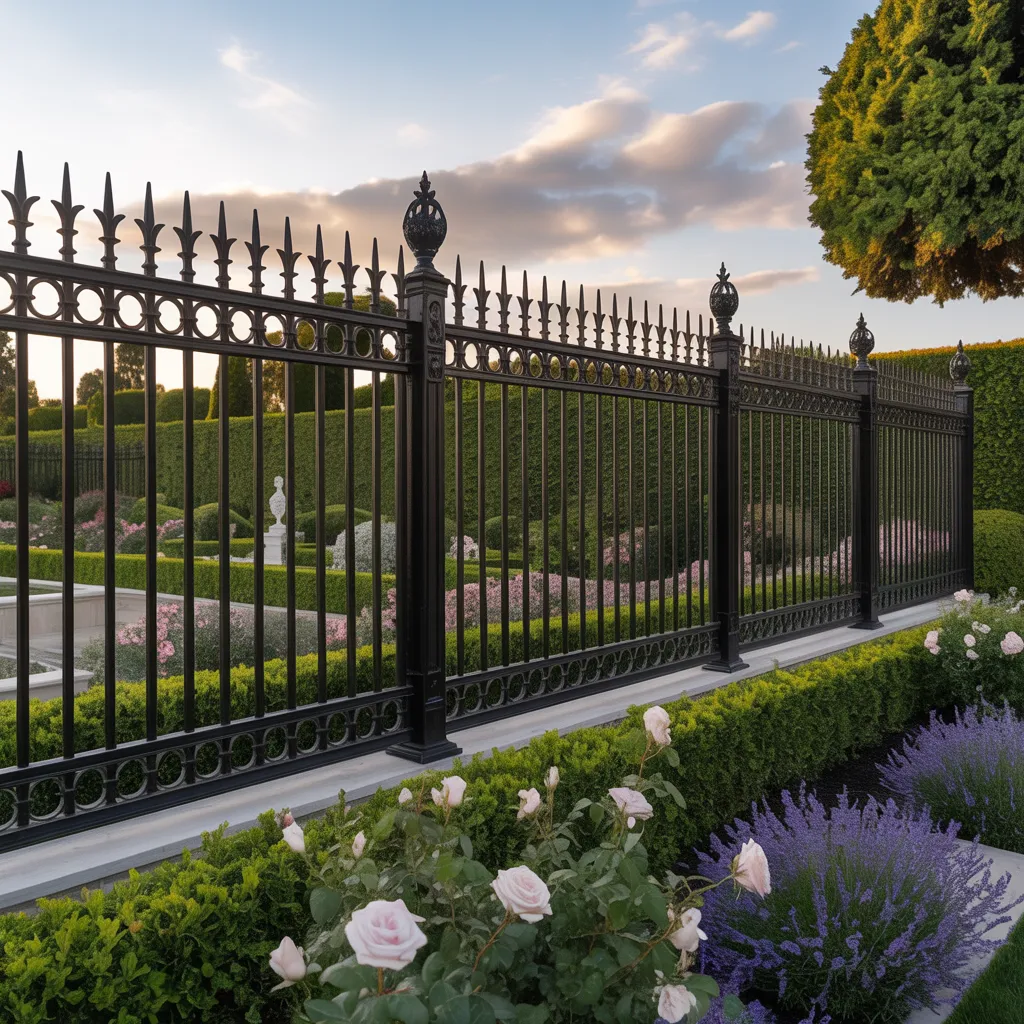
Explore Modern Minimalism in Fencing Designs
In what ways can modern minimalism transform outdoor spaces via fencing designs? This design philosophy emphasizes simplicity, clean lines, and functionality, turning ordinary fencing into remarkable features that elevate rather than hinder views. Minimalist fencing frequently incorporates materials such as metal, concrete, or clear glass, establishing a discreet boundary that naturally harmonizes with the landscape.
Using this technique, the emphasis transitions from elaborate ornamentation to clean simplicity, letting the natural surroundings become the focal point. Tones are commonly restrained, leaning toward organic colors that blend with open-air environments.
Such concepts place a premium on practicality, often featuring modular systems that can be easily adjusted or expanded. This flexibility addresses a wide range of needs, whether for privacy or aesthetics. Ultimately, modern minimalism in fencing offers a sophisticated solution that transforms outdoor areas, fostering a sense of openness while providing necessary delineation.
Find Rustic Fence Styles Using Real Wood Selections
Rustic fencing offers a unique counterpoint to contemporary minimalism, emphasizing warmth and organic beauty through the use of raw wood. This style of fencing takes inspiration from the natural world, incorporating materials like cedar, pine, and reclaimed wood. Each element tells its own story, showcasing unique textures and grain patterns that enhance the overall aesthetic.
Rustic fences come in numerous designs, including picket, split-rail, or post-and-beam configurations, complementing a wide range of outdoor environments. These fences integrate naturally with gardens, meadows, and wooded areas, establishing a natural bond with the natural surroundings. Moreover, rustic fences tend to be eco-conscious choices, utilizing sustainable materials and practices.
Homeowners wishing to capture a rustic, rural atmosphere in their garden will find rustic fencing an excellent option. Its timeless appeal and natural elegance make it ideal for classic and modern garden designs, inviting a sense of serenity and nostalgia.
Ways to Select Vibrant and Creative Fencing for Your Area
What elements affect the selection of vibrant and creative fencing for a property? Above all, the architectural style and surrounding landscape have a significant impact. Property owners often seek colors that harmonize with their properties or contrast effectively to create visual interest. Additionally, the main objective of the fencing—whether for protection, decor, or boundary definition—can dictate artistic choices.
Material selection also impacts color options; for example, wood is able to be painted or stained, while metal often requires specific coatings. Local weather conditions should not be disregarded, as certain finishes may fare better against weather conditions.
Additionally, personal style influences numerous choices; creative and eclectic styles frequently captivate those act now drawn to bold artistic choices, while understated color schemes may better complement classic sensibilities. Ultimately, a deliberate and mindful application of hues and artistry can considerably improve the mood of an outdoor setting, turning it into a distinctive reflection of the resident's character.
Need More Privacy? Discover Tall, Textured Fencing
Many homeowners seeking greater privacy in their outdoor areas frequently consider tall, textured fencing as a practical solution. This style of fencing functions not only as a physical barrier but also contributes an attractive visual element to the surrounding landscape. The height of the fencing guarantees that prying eyes are kept at bay, creating a serene environment for relaxation and outdoor activities.
Textured surface options, including wood grain textures or ornamental panels, contribute to visual interest without compromising on adequate privacy protection. Such finishes can be adapted to complement a range of architectural designs, from contemporary to traditional, enabling effortless blending into existing designs. Additionally, tall, textured fencing offers tangible benefits, such as sound dampening and wind resistance, elevating the quality of outdoor living. Property owners frequently realize that investing in this type of fencing not only strengthens privacy but also elevates the value and enjoyment of their property.
Utilize Living Fences to Harmonize With Nature
Living fences present a natural and attractive approach to transform outdoor environments while effortlessly harmonizing with the existing landscape. Consisting of a variety of plants, shrubs, and trees, these natural structures not only provide privacy but also support biodiversity. They can be customized to meet specific environmental requirements, ensuring sustainability and low maintenance.
Including native species fosters a bond to the local ecosystem, drawing in advantageous fauna such as pollinators and birds. Natural barriers can take various forms, from hedgerows to vertical gardens, enabling homeowners to tailor their layout according to personal style and available space.
Furthermore, they can serve as windbreaks or noise barriers, improving the comfort of outdoor spaces. In general, living fences provide an eco-friendly alternative to traditional fencing, enriching the landscape while offering functional benefits that harmonize with nature. Their remarkable characteristics ensure that outdoor areas stay lively and welcoming across all seasons.
Combine Different Fencing Styles for a Cohesive Look
When preserving a consistent aesthetic is key for outdoor environments, combining different fencing styles can create a unique and visually appealing environment. This approach allows homeowners to express their individuality while enhancing the overall charm of their property. By carefully combining materials like wood, metal, and vinyl, homeowners can create a multi-dimensional look that brings richness and character.
To illustrate, pairing a classic wooden picket fence with a modern metal gate can create a striking contrast, bringing together classic and contemporary designs. Likewise, incorporating a stone wall section alongside a more contemporary fence can produce a smooth shift between diverse design themes. It is important, however, to confirm that the colors and textures enhance one another, sustaining harmony throughout the space. At the end of the day, a well-planned combination of fencing styles not only enhances the overall appearance but also embodies the homeowner's personality and lifestyle.
Common Questions and Answers
What Are the Best Materials for Durable Outdoor Fencing?
Wood, vinyl, metal, and composite materials are considered best for durable outdoor fencing. Each provides distinct advantages, including weather resistance, durability, and minimal upkeep, making them ideal selections for a wide range of environments and styles.
How Do I Maintain My Fence Over Time?
To maintain a fence over time, consistent evaluations for wear and damage are necessary. Washing surfaces, applying protective sealants to wood, and quickly tackling rust or decay will extend its lifespan and maintain its look.
Are There Local Rules Governing Fence Height and Design?
Local regulations for fence height and design vary by municipality. Homeowners are advised to review local zoning laws and building codes to ensure compliance, as restrictions may include height limits, materials, and aesthetic guidelines specific to their area.
What Is the Average Cost of Different Fencing Styles?
Fencing style costs differ significantly: wood ranges from $10 to $30 per linear foot, vinyl typically ranges from $20 to $40, while chain-link options usually range from $7 to $15, depending on materials and installation.
Should I Install Fencing Myself, or Hire a Professional?
Homeowners can handle fencing installation on their own if they have the required skills and equipment; however, hiring a professional guarantees proper installation, adherence to local regulations, and potentially saves time and effort in the long run.