Custom Fence Installation Solutions for Residential & Commercial Properties
Custom fencing installation options serve an essential role in improving both residential and commercial spaces. They deliver security, privacy, and curb appeal while defining property boundaries. With numerous material options available, homeowners and business owners can find options that meet their requirements. Professional installation guarantees compliance with local codes. Still, the value reaches well beyond the installation itself—understanding how to choose the right design and material can greatly impact the property's value. What factors should one consider when making these choices?
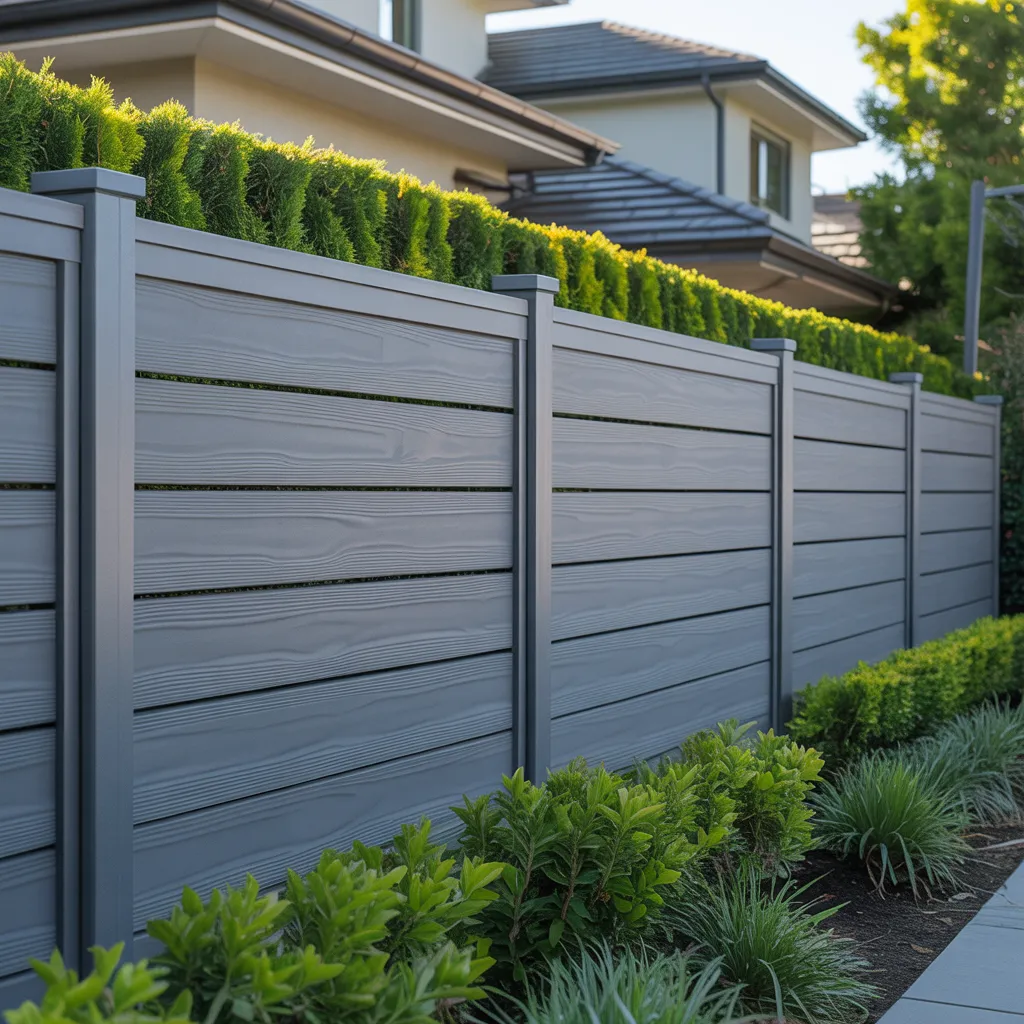
How Custom Fences Benefit Your Property
When thinking about residential upgrades, most homeowners discover that custom fences are not simply a decorative option but a critical investment. Custom fences deliver multiple benefits that go beyond aesthetics. They strengthen protection by creating a physical barrier that discourages trespassers and keeps children and pets safe. Furthermore, these fences offer privacy, permitting homeowners to relish their outdoor spaces free from unwanted observation.
In addition, tailored fence installations can establish property lines, avoiding conflicts with neighboring properties and securing alignment with local zoning requirements. They also contribute to the overall value of the property, rendering it more desirable to future purchasers.
In terms of functionality, custom fences are able to be crafted to fulfill particular requirements, such as gates that provide convenient entry or additions that complement the property's landscape design. At the end of the day, committing to a custom fence represents a wise investment that serves multiple purposes, elevating both the property's functional value and its aesthetic appeal.
An Overview of Popular Fencing Materials: Wood, Vinyl, and Metal
When evaluating fence materials, metal, wood, and vinyl each present notable pros and cons. Financial comparisons highlight notable distinctions in initial investment and long-term upkeep costs. Recognizing these elements can enable property owners make informed decisions tailored to their needs.
Strengths And Weaknesses
Several fencing material options, such as wood, vinyl, and metal, each provide distinct advantages and disadvantages that often impact the decision of a homeowner. Wood is commonly preferred for its natural aesthetic and versatility but requires regular maintenance to guard against access this information decomposition and insects. Vinyl, by comparison, is minimal in upkeep and durable against weathering and insects, establishing it as a dependable lasting investment; however, it may lack the traditional appeal of wood. Metal barriers, such as aluminum or wrought iron, delivers reliable safety and lasting strength but could involve greater expense and may call for routine attention to prevent deterioration. Each material presents unique characteristics, allowing homeowners to weigh their specific needs and preferences when selecting the ideal fencing solution.
Cost Analysis
Although homeowners frequently consider visual appeal and usability in the process of selecting fence materials, pricing remains an essential consideration in the decision-making process. Timber fencing commonly provides a lower initial investment though necessitates consistent care, which can increase long-term expenses. Conversely, vinyl options, though more expensive initially, provide long-lasting performance and low maintenance, making them an economical option in the long run. Metal fencing, including aluminum and steel, typically comes with a greater upfront investment yet is well known for its durability and ability to withstand weather conditions, thereby reducing future repair costs. Ultimately, the comprehensive cost assessment—considering setup costs, maintenance needs, and longevity—should guide homeowners when determining the ideal fence material for their homes or business properties.
Picking the Perfect Fence Design for Your Yard
Selecting the best fence style for a home can greatly elevate both the aesthetics and functionality of a home. Property managers and homeowners must consider multiple factors when choosing a design, including the main goal of the fence, municipal requirements, and the structural style of the building. Privacy fences, for instance, are ideal for establishing sheltered outdoor areas, while classic picket-style fences often improve curb appeal and deliver a charming look.
Material choices also play a significant role; wood delivers a timeless aesthetic, while vinyl or metal can provide durability and low maintenance. Moreover, hues and styles should align with the nearby landscape and surrounding structures. At the end of the day, a well-chosen fence design not only marks boundaries but also adds to the overall character of the property, making careful consideration vital for reaching the intended results.
Reasons to Choose Professional Fence Installation
Choosing professional fencing services guarantees that the undertaking is carried out with professionalism and care. Expert installers hold the necessary skills and experience to address the demands of different fencing styles and materials. They have a thorough understanding of regional building requirements and zoning laws, guaranteeing adherence and preventing possible legal complications.
Additionally, hiring experts generally leads to a quicker installation process, as they have access to dedicated tools and expertise. Such proficiency not only conserves valuable time but also reduces interference to the property owner's daily activities. Additionally, skilled technicians can offer helpful guidance and suggestions tailored to the unique requirements of the residence, boosting client satisfaction.
Ultimately,choosing expert services often comes with service warranties, offering confidence about the strength and lifespan of the fence. In summary, opting for professional fence installation is a prudent investment for both residential and commercial properties, delivering a high-quality outcome.
In What Ways Does Custom Fencing Improve Security?
Custom fencing is essential for enhancing security for both residential and commercial properties. Through the creation of a physical barrier, it discourages trespassers and unauthorized entry. The height, material, and design of custom fences can be tailored to meet specific security needs, making it difficult for intruders to climb over or break through.
In addition, various personalized fence installations can be combined with sophisticated security systems, such as gates equipped with motion sensors, locks, or surveillance cameras, providing an added layer of security. The visibility of a solidly built fence can further serve as a strong visual warning, making properties less attractive marks for criminal acts.
Additionally, custom fencing is able to be engineered to obscure visibility into the property, limiting the information potential intruders might gather. Overall, opting for custom fencing substantially elevates the security framework of any property, providing reassurance for both owners and residents.
Enhancing Curb Appeal With Custom Fencing
A carefully crafted fence can notably improve the visual appeal of a property, rapidly changing its exterior. Tailored fencing choices offer a broad selection of designs, colors, and textures that can enhance the architectural features of a residential or commercial property. Regardless of whether you choose a timeless picket design, a clean minimalist look, or a natural timber fence, the ideal selection can transform the property's look.
Additionally, tailored fences can be adapted to fit individual landscapes, providing a seamless integration with outdoor spaces and gardens. With the inclusion of decorative elements, such as decorative lattice or post caps, property owners can more thoroughly individualize their fencing solution, turning it into a focal point.
The striking appearance of a bespoke fence not only draws attention but also reflects the property owner's sense of style and commitment to quality, consistently fostering a welcoming and attractive environment for both guests and those passing by.
Planning Your Budget for a Custom Fence Project
Budgeting for a custom fence project necessitates a thorough assessment of both starting costs and unexpected expenses. Creating an accurate budget is vital to avoiding unnecessary financial stress, since unforeseen costs may emerge throughout the installation process. Understanding these factors can help homeowners make informed decisions and achieve their fencing goals within their financial constraints.
Developing a Realistic Budget
Establishing a practical budget is crucial for homeowners and business owners thinking about installing a fence. Property owners of all kinds must start by examining their needs and priorities, including the type of materials, design, and size of the fence. Looking into local pricing for materials and labor provides a solid budget foundation. Moreover, accounting for potential cost differences driven by factors such as geographic location and project complexity is essential. Allocating a reserve fund for unforeseen costs can offer valuable financial security. By thoroughly evaluating all these aspects, individuals can create a thorough budget that aligns with their vision while ensuring they stay within their financial means, paving the way for a well-executed and rewarding fencing endeavor.
Hidden Fees to Take Into Account
What unforeseen expenses should be considered during a custom fence installation project? Homeowners should prepare for several potential hidden costs. Initially, site preparation could demand additional grading or land clearing, especially on uneven ground. Permit fees may also come as a surprise, since local regulations frequently require permits for fence installation. Furthermore, if the current landscape contains obstacles such as tree roots or rocks, removal expenses can rise rapidly. Additionally, homeowners might face unexpected labor costs if the project encounters delays or complications. Once installation is complete, ongoing maintenance costs, such as refinishing or repairs, should be accounted for in the overall budget. By factoring in these unforeseen costs, property owners can establish a more realistic financial plan for their custom fencing project.
Maintenance Tips for Long-Lasting Custom Fences
Although custom fences can enhance the visual appeal and safety of a property, consistent care is necessary to extend their lifespan. Routine inspections are crucial; residents should examine for evidence of wear, such as cracks or rot, especially in wood fencing. Periodic fence cleaning assists in clearing away grime and debris that can accelerate wear. When it comes to wooden fences, using a sealant or weather-resistant stain every couple of years can guard against moisture damage and sun-related deterioration.
Metal fence installations, conversely, ought to be examined for deterioration and rust. Adding a rust-resistant paint can considerably increase their longevity. Furthermore, ensuring that vegetation does not encroach on the fence can prevent moisture buildup and damage. To conclude, quick resolution of any defects can mitigate larger problems down the line. By following these maintenance tips, fence owners can ensure their specially designed fences continue to be both operational and attractive for years to come.
Questions Our Clients Often Ask
How Much Time Does the Custom Fence Installation Process Usually Require?
The process of custom fence installation usually spans between one and three days, depending on factors such as the overall size of the property, the type of materials chosen, and prevailing weather conditions. Completion times may differ due to specific project needs and complexities.
Is It Possible to Install a Custom Fence in the Winter Months?
Indeed, placing a personalized fence in winter months is possible. However, the undertaking may face complications as a result of frozen soil and inclement weather, possibly prolonging the installation timeline and necessitating specific tools for effective results.
What Permits Are Needed for Custom Fence Installation?
As a rule, a municipal permit is necessary for installing a custom fence, in addition to applicable zoning permits. Residents should consult their local authorities for specific regulations, ensuring compliance with height, location, and design requirements before proceeding.
What Warranty Options Are Available for Custom Fences?
A number of companies include warranty packages for custom fence installations, typically covering labor and materials. The length and conditions vary, so it's advisable for customers to request information on the particular warranty terms before proceeding with installation.
How Can I Select the Right Fence Contractor for My Project?
To choose a fence professional, it is advisable to explore local choices, read reviews, verify licenses and insurance, ask for comprehensive estimates, and evaluate past projects. Responsiveness and professional conduct during early conversations also reflect dependability and service quality.